Unlocking Profitability With Waste Heat Recovery
Waste heat is recoverable—it can be a valuable resource. If your facility is discarding waste heat or incurring extra expenses to manage it, you can benefit greatly from industrial waste heat recovery units (WHRUs). With the rising cost of fossil fuels and increasingly stringent environmental regulations, industrial facilities need efficient, cost-effective WHRUs to reduce their carbon footprint while improving productivity.
Industrial waste heat recovery systems capture and reuse heat in many industrial processes. With WHRUs, companies can simultaneously reduce their energy costs and fossil fuel consumption. Learn more about how investing in waste heat recovery solutions can improve your operational efficiency and profitability over time.
Common Sources and Consumers of Waste Heat
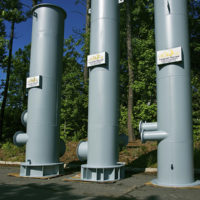 Almost every industrial facility has heat-generating processes or equipment of some type. In many cases, those processes or equipment are relatively inefficient and need to be actively cooled by other systems or exhaust energy into the atmosphere. By matching waste heat producers with an application that consumes heat, your facility can reduce energy costs and become more sustainable.
As a general rule of thumb in how waste heat recovery works, waste heat producers with exhaust gas streams of at least 450 °F have the greatest potential for heat recovery. This includes waste heat producers like the following:
- Blast furnaces
- Combustion turbines and engines
- Dryers
- Kilns
- Ovens
- Process heaters
- Thermal oxidizers
Common waste heat consumers include:
- General process heating
- Wash water pre-heating
- Building comfort heating
- ORC generators
- Steam generators
- Boiler feedwater preheaters
- Combustion air pre-heating
Application Highlight: Combustion Turbines
Facilities utilizing combustion turbines and engines stand to gain some of the highest returns from waste heat recovery solutions. These turbines generate massive amounts of high-temperature exhaust that is often simply vented into the atmosphere. By integrating a custom-engineered waste heat recovery unit (WHRU), you can capture this thermal energy to power several critical functions:
- Steam and electricity generation. Recovered exhaust heat can be channeled into steam generators or organic rankine cycle (ORC) generators. This allows your facility to generate additional electricity on-site, significantly decreasing your consumption from the grid.
- Process fluid heating. Using a heat exchanger, the thermal energy from the turbine exhaust can be transferred to oil, glycol, or other thermal fluids. This heated medium can then be used to support reactors, heating tanks, and more.
- Preheating for efficiency. Waste heat can be used to preheat combustion air for burners. This reduces the “new” fuel required for these processes and can improve overall system efficiency to over 93%.
- Facility HVAC. The thermal energy captured from turbines can be repurposed for building comfort heating, ensuring facility occupants remain comfortable without incurring additional heating costs.
Calculating the ROI: The Financial Case for Waste Heat Recovery
Waste heat recovery can cut down on energy consumption, reduce costs, and make your facility more eco-friendly. But every facility change needs clear numbers to get buy-in from stakeholders. Understanding the true ROI potential of waste heat recovery can help convince more stakeholders across your organization to embrace these technologies and streamline operations over the long term.
Direct Cost Reduction
To calculate your ROI for installing a waste heat recovery system, start by calculating the costs of the waste heat, including the opportunity costs and additional expenses incurred by having to heat other processes with “new” energy. For example, an aluminum can manufacturer might incinerate VOCs with a thermal oxidizer in the label printing process. Calculate the electrical and natural gas consumption of the incineration process.
Then consider the cost reductions of having a WHRU that transfers that waste heat into hot water. That heat energy can preheat boiler feedwater or wash water for the aluminum cans, significantly reducing or eliminating the new fuel otherwise needed to heat the water. Alternatively, the facility might use that same waste energy to power an ORC unit that generates electricity for the facility, decreasing consumption from the grid. Calculate the energy savings and compare that to the expenses without a waste heat recovery system to uncover the ROI.
Typically, heat-to-heat transfers offer the highest ROI because they are the most direct and efficient. If you can identify heat consumers in your facility, such as feedwater or air heaters, this can yield the biggest savings and improve ROI.
Incentives and Credits
Some organizations and state or federal grant programs offer hefty incentives and credits that decrease the initial cost of your investment. Incentives and credits can shorten the payback period for waste heat recovery equipment, which can make it more appealing to corporate stakeholders. An environmental specialist in your region can help your company identify industry- or location-specific incentives that you may be eligible for.
Partner With Sigma Thermal for Waste Heat Recovery
Waste heat recovery systems help industrial facilities harness a resource that you already have: excess heat. Instead of letting it go to waste, you can make your thermal heat management processes more efficient, reduce fossil fuel consumption and associated costs, and power green initiatives.
Sigma Thermal is the heat energy management expert for industrial processes. We offer in-depth energy audits and custom-engineered, high-ROI WHRUs that cater to your facility’s needs. We also have expertise in specialized projects like handling high-particulate heated gas streams from biomass combustion. Our systems are built to last and provide ongoing heating efficiency, and we guarantee that you’ll realize energy savings and financial return from every project.
Contact us today to learn more about our systems, or request a quote for pricing details.